BY RAY ELISHA
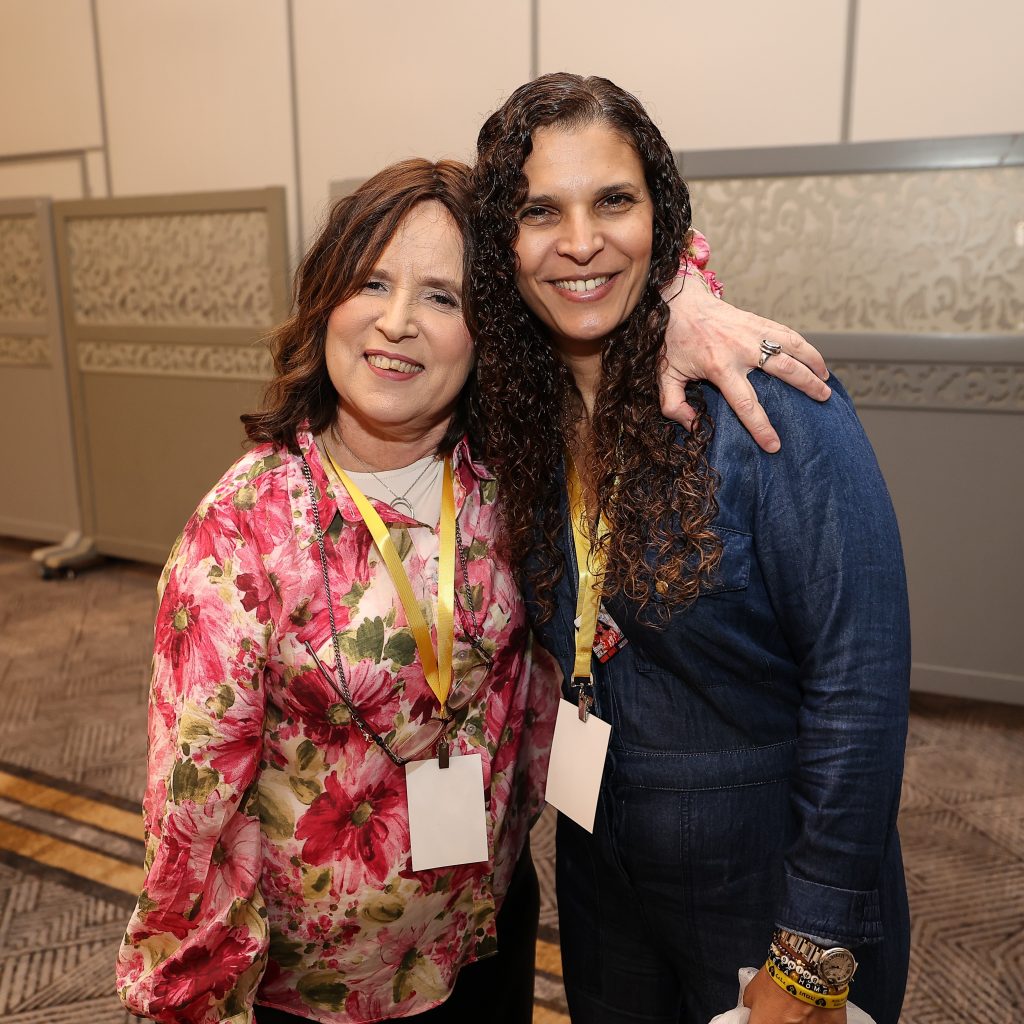
TZILI SCHNEIDER IS MAKING GREAT STRIDES in the world of achdut. She founded Kesher Yehudi, a movement that sparks relationships between all different types of Jews by learning in a chevruta, sharing Shabbat meals, and cultivating conversations between those who otherwise might have never connected.
“I was riding the same bus every morning as another woman for four years,” explained Tzili. “She was not religious. I was. We never spoke. I sat there and thought, ‘how did we let it come to this? We are both mothers, neighbors, Jews, and we’re strangers?’ I realized that the walls between us were growing too high.”
“I created Kesher Yehudi to create one-on-one chevruta pairs between Haredi and secular Jews in order to connect through the one thing that belongs to us all equally: the Torah.”
Over time, Kesher Yehudi has grown significantly, with participants ranging from soldiers to rabbis, to Nova survivors to businessmen. Today, it has over 16,000 participants. When it comes to chevruta learning, Tzili makes matches by pairing people with shared interests, curiosity, and openness. “Each pair begins with structure such as guided topics and learning materials. The most important rule is to listen before you speak. Don’t try to change the other person. Try to know them,”
she exclaimed. “Respect grows from there.”
The religious volunteers are also prepared to be learners, not teachers. She explained that the volunteers learn to accompany their learning partner in their pain without trying to erase it. Many of the Nova survivors involved in Kesher Yehudi didn’t feel ready for therapy the first year after October 7th, and the volunteers being there for them as a loving presence and companion was a huge help.
“The Torah is not a product to sell. It is our shared inheritance,” Tzili stated. “Every Jew has a chelek in Torah, whether they know it yet or not.”
Tzili has connected with many Nova survivors and their families over the past two years. When asked to share transformative or healing stories she’s witnessed, she responded, “There are thousands. Matan Angrest’s parents have been learning with me for over a year. All that time they had no idea that their son was learning and davening in captivity. Immediately upon his return, he asked for tefillin, which I had the honor of bringing to him!”
Tzili also stated that a survivor of the Nova festival came to a Shabbat organized by Kesher Yehudi and said that Shabbat was the first time she’d slept through the night since October 7th.
“We don’t preach. We don’t fix. We hold space. We do not offer or in any way try to replace real professional emotional help. We are trying to give help in the means that regular people can, by reaching out to our fellow brothers and sisters with dignity, warmth, and spiritual sincerity.”
Tzili then spoke about hashgacha pratit and the first Shabbat hosted by Kesher Yehudi, that included hostage families.
“None of us knew what to expect. We cried and prayed together and held each other. Two days later, the first hostages were released. That moment reminded us that when we stop fighting and start uniting, something shifts in heaven.”
“What unites us isn’t uniformity, but shared identity. One people, one Torah, one destiny. When people say it’s too late, we’re too divided, I invite them to come sit in on a chevruta. See the Breslover sitting with a tattooed executive learning about kindness in Pirkei Avot. Watch the respect, curiosity, and laughter.”
Reminiscing about what happened right before the start of the war, Tzili talked about a terrible incident that happened in Tel Aviv on Yom Kippur. “The open minyan that hundreds come to each year was disrupted because of the mechitza. All of the fighting and anger fomented by the judicial reform and other political issues came to damage our connection to God. On Yom Kippur -one of the days that most Israelis still share! When Shelley Shem Tov was screaming on camera about achdut with a broken heart, I felt compelled to go to Hostage Square and hug her. Then I decided, when I met her and the other families that were suffering, to invite them to keep one full Shabbat in the merit of their loved ones.”
When discussing a connection between the miracle of Chanukah and the work that Kesher Yehudi does, Tzili told us that the Chanukah light is a kind of light that comes from faith when logic says to give up, and that her work is the same.
“In chevruta pairs, at Shabbat tables, in homes, we light one flame, then another, and another. Just like Chanukah, it spreads. One small jar of oil…eight days. One chevruta…thousands of friendships.”
Looking into the future, Tzili has a dream that Kesher Yehudi will become a basic part of Israeli culture. That every Jew should have a chevruta. She is also in the process of building an English- language track.
“The real goal is cultural. We want to change the instinctive reaction people have when they meet someone ‘different.’ Not suspicion or judgment, but curiosity, respect, and love.”
If you would like to become involved with Kesher Yehudi, Tzili encourages becoming involved with or sponsoring a chevruta. You can also invite Kesher Yehudi to your community or school to bring the model to you.
Loading Viewer...